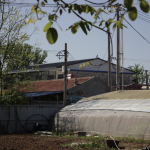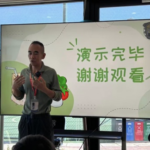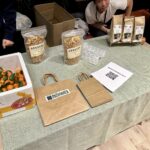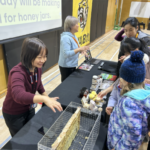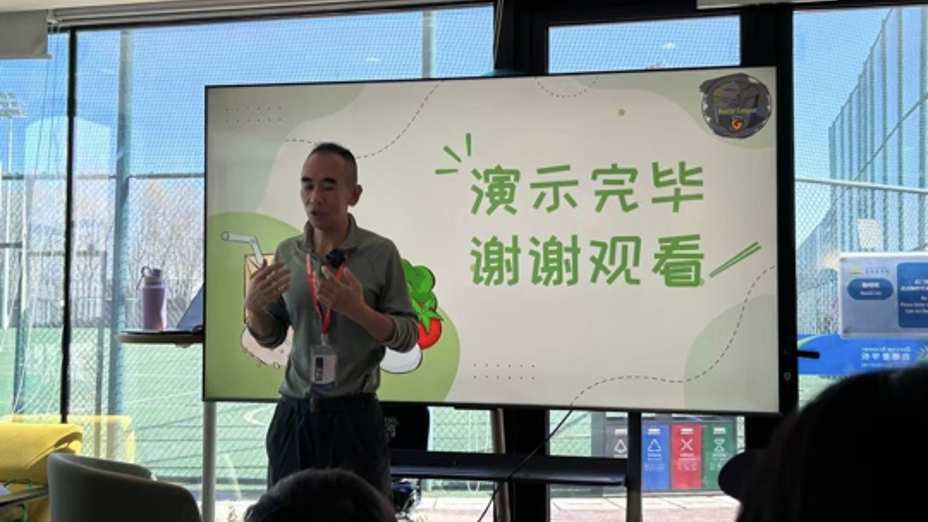
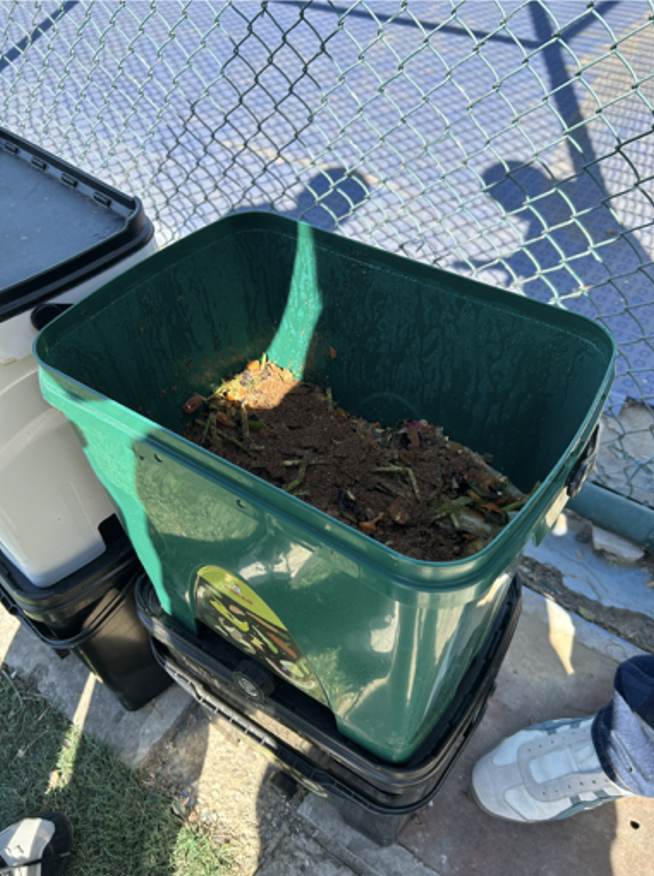
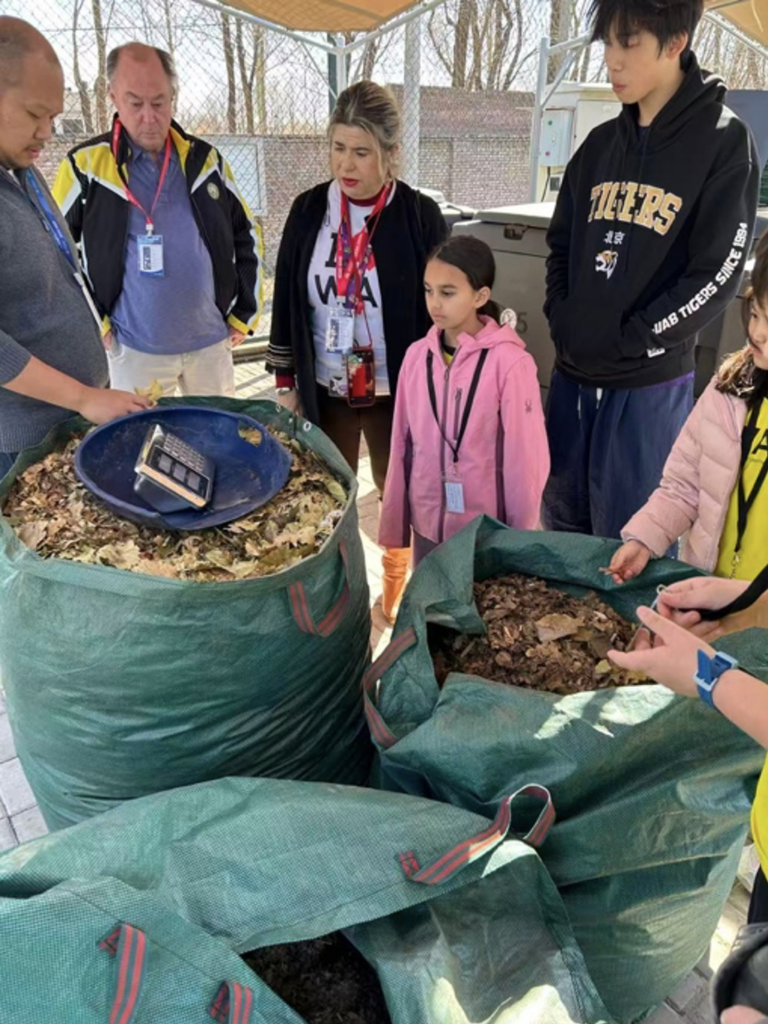
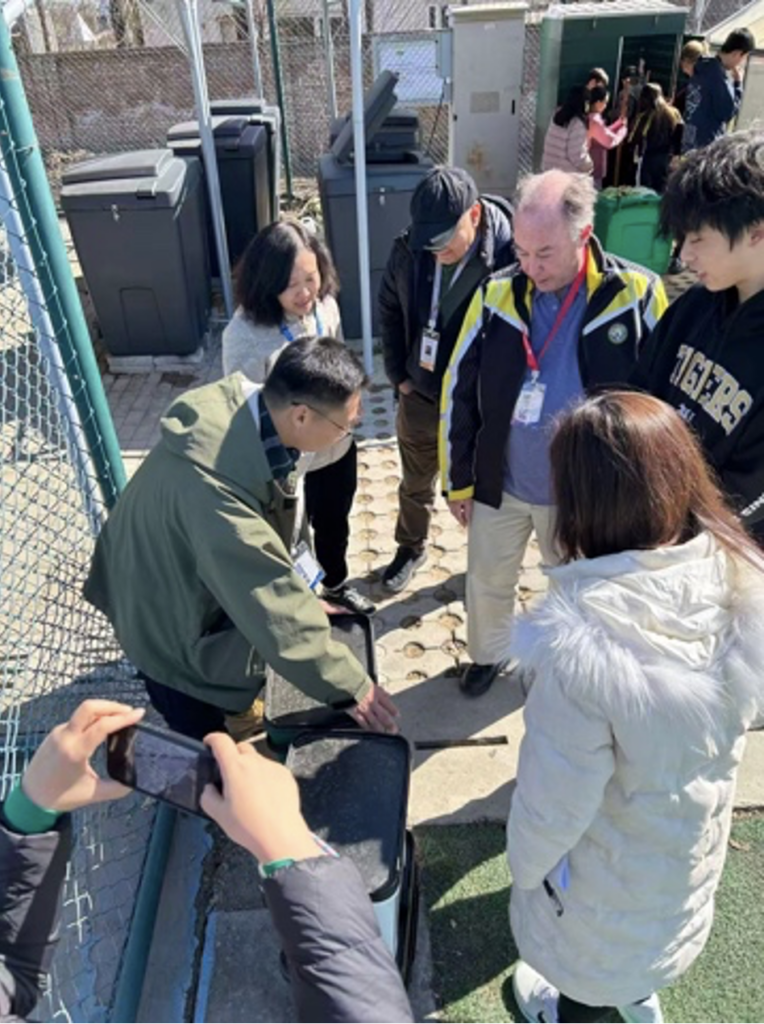
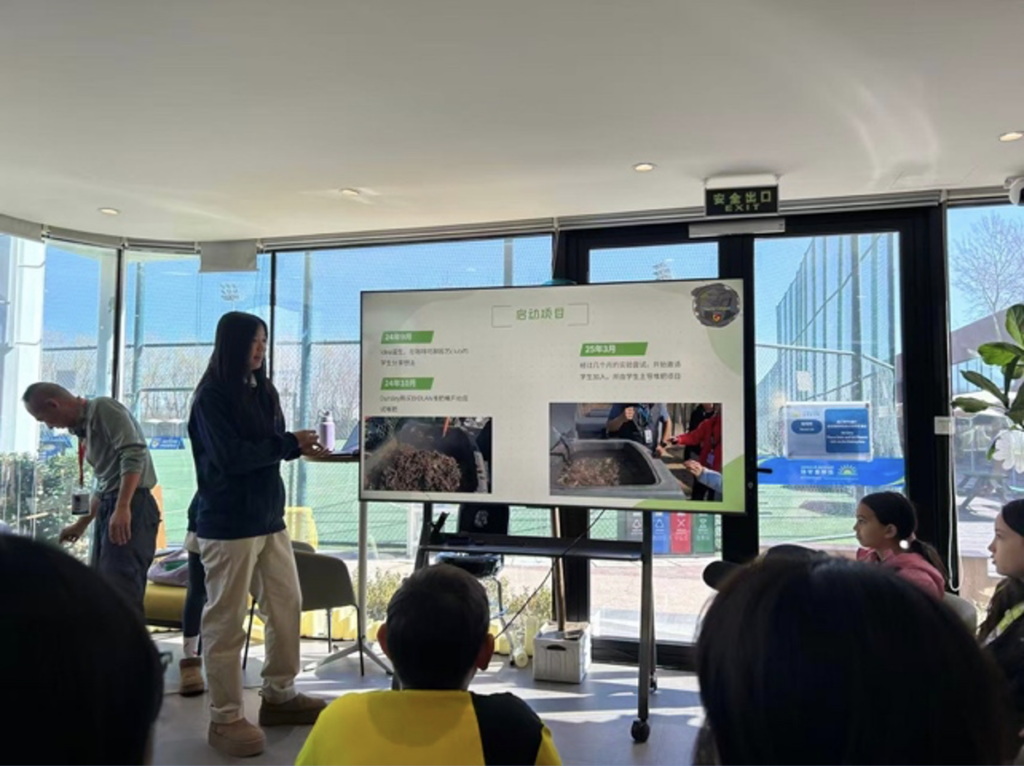
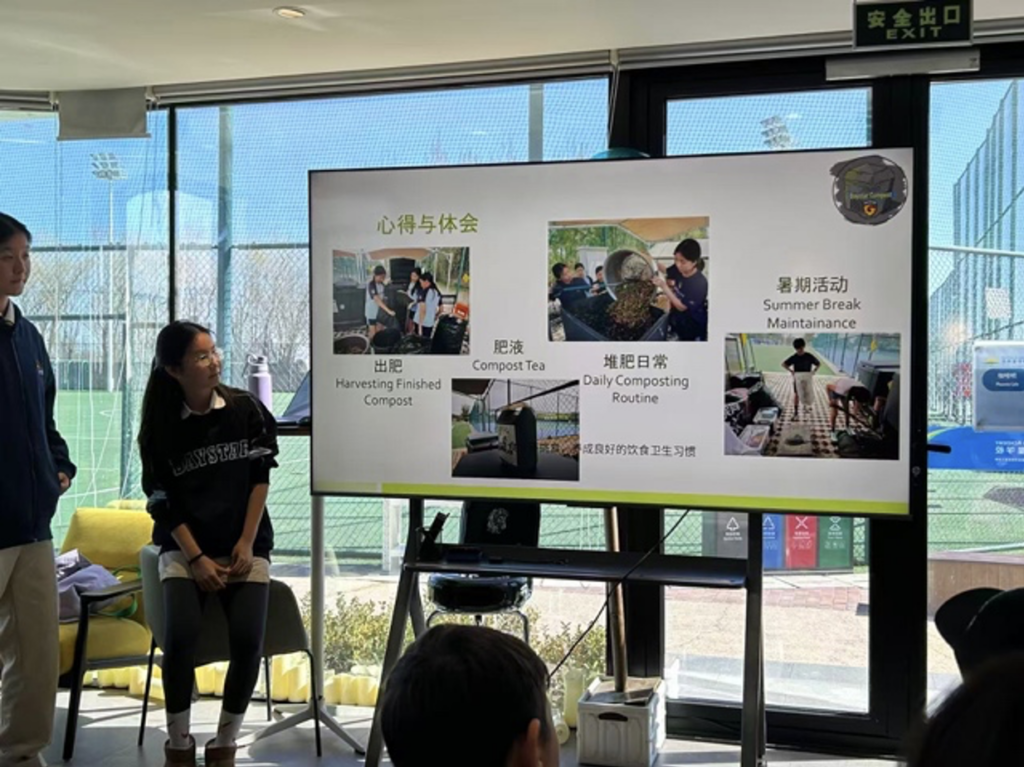
Not long ago, WAB’s Profarmer team decided to start a composting project and purchased a Biolan composting bin. To further understand the techniques and methods of how to compost, members of Profarmer visited Daystar on March 11th with the help of Mr. Dursley. Mr. Dursley brought us to see their different composters and later had the composting student leaders and a composting expert explain some things about composting.
What we learnt — insights, tips, methods
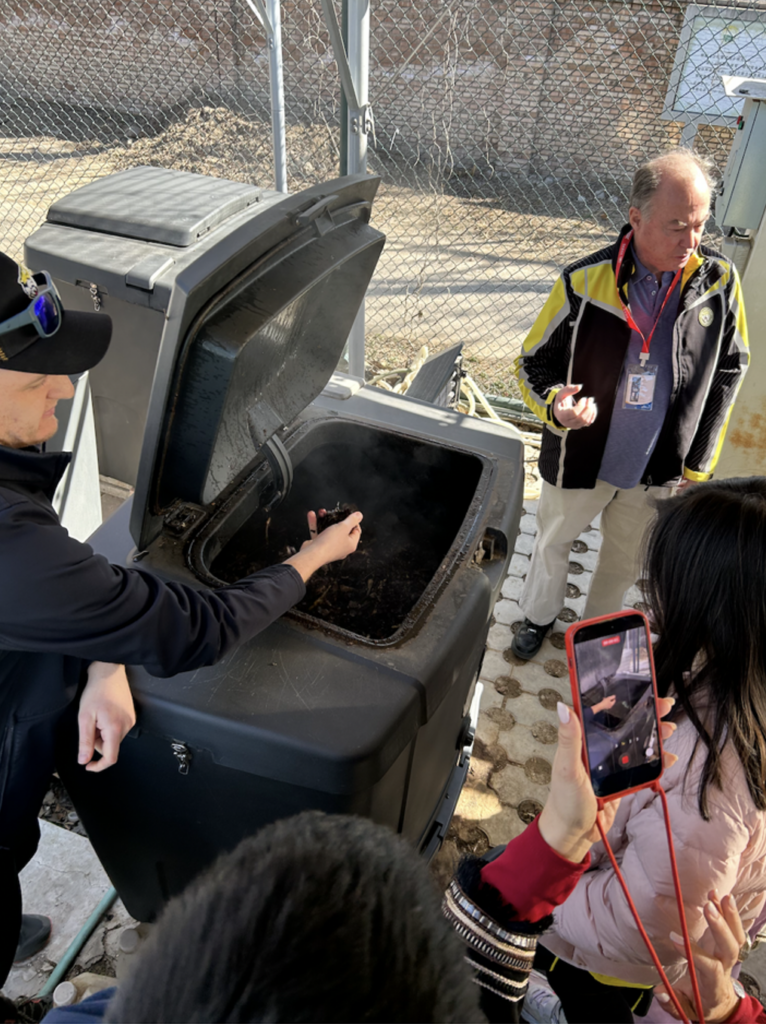
In this field trip to Daystar, we learned how composting systems like Biolan compost bins efficiently turn food waste into useful fertilizers.
Daystar student leaders explained different composting methods and machines, the ratio between dry leaves and food scraps, the normal temperature range of the Biolan composter, and helped us understand how each system works in managing organic waste. One key insight was that composting not only reduces waste but also saves money by lowering disposal costs of food scraps. They also showed how compost-based fertilizers can improve soil quality, increase vegetable yields, and enhance taste. In terms of tips and methods, we learned the importance of properly sorting food scraps, maintaining the right balance of materials, and regularly managing the compost to ensure effective decomposition.
Conclusion
This visit helped us better understand the real-world impact of composting and how simple actions, like managing food waste, can make a big difference. Our composting team and teachers realized that composting is not just an environmental activity, but also a practical and cost-effective solution for schools and communities. Seeing how compost improves plant growth and food quality makes learning more meaningful and connected to everyday life. It also made a composting team, and teachers think about how we can apply these methods in our own school or community.